


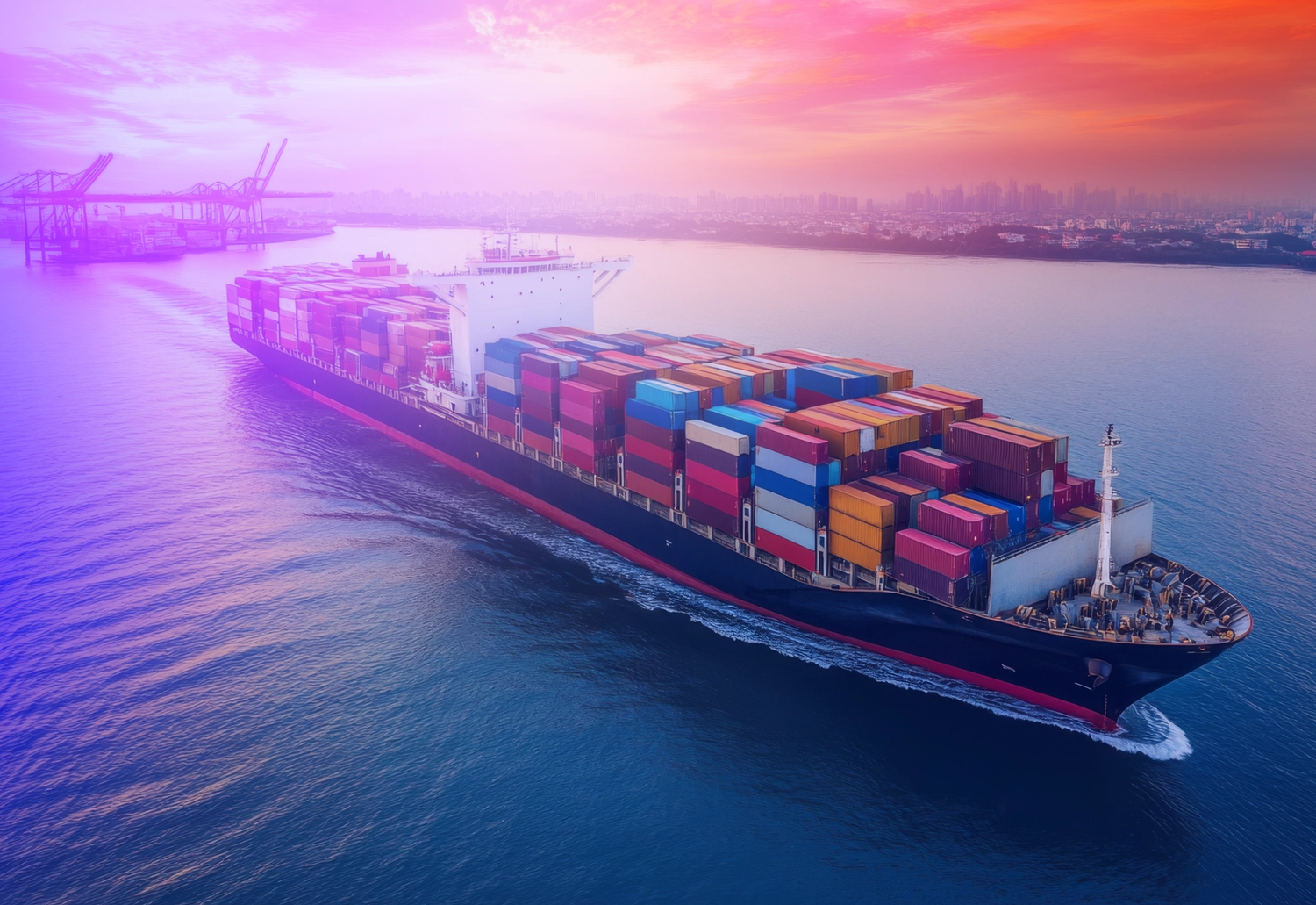
Geopolitical conflict in the Middle East, tariff changes, and shipping disruptions are all placing pressure on supply chains worldwide. The World Economic Forum's Global Value Chains Outlook 2026 found that structural disruption is now a permanent feature of global trade, with nearly three in four business leaders prioritising resilience as a driver of growth. Supply chain leaders should be building a network that can absorb and adapt to disruption before it arrives.
Disruption is now a structural feature of global trade
COVID-19 exposed how dependent global supply chains were on single sources and fragile logistics networks. The current wave of disruption – geopolitical conflict, tariff escalations, and shipping cost pressures – is following a similar path, with similarly wide-reaching effects on cost to serve and service capability.
The World Economic Forum's 2026 report found that more than 3,000 new trade and industrial policy measures were introduced globally in 2025 alone, and tariff changes reshuffled hundreds of billions of dollars in global trade flows. For businesses operating across multiple geographies, the consequences land across every part of the supply chain. The businesses that navigate this most effectively are those that plan for it in advance.
Start by mapping where your supply chain is exposed
Before a business can build resilience, it needs a clear picture of where its supply chain is vulnerable. That means understanding the full network – supplier geography, inventory positions, freight routes, and capacity constraints – well enough to identify where a single failure could cause the greatest damage.
Many businesses only discover these weaknesses when they are tested. A risk mapping exercise surfaces them before that point, giving decision-makers the information they need to act with confidence. It also creates a foundation for prioritising investment, by directing resources toward the parts of the network that carry the most risk. This is why supply chain strategy and risk planning need to be treated as business priorities, reviewed regularly and stress-tested against real-world conditions.
Use simulation to stress-test your network
Once the risk profile of a supply chain is understood, simulation technology allows businesses to model how different disruptions would play out, and how the network would respond. This includes route optimisation, testing alternative sourcing and distribution strategies, and modelling inbound and outbound operations under different conditions.
Where spreadsheet-based planning captures a single version of events, simulation can run multiple situations across a live model of a network. Businesses using this approach can assess the impact of a disrupted trade route or a supplier failure before committing to a response, reducing both cost and reaction time when disruption does occur. For global businesses managing complex, multi-node networks, this capability will become increasingly important as trade lanes and supply chain channels are impacted by disruption.
Investing beyond the current disruption
Major supply chain transformation programmes typically take four to six years to fully realise. Businesses that begin that investment now are building the capability they will need to compete once the current disruption settles, and they will be better placed to absorb whatever comes next.
A modern, well-designed supply chain is the foundation of business resilience. TMX works with businesses at every stage of the journey, from initial risk assessment and network design through to full supply chain transformation. If you want to proactively plan for disruption, or learn what parts of your supply chain are most susceptible to risk, get in touch.